
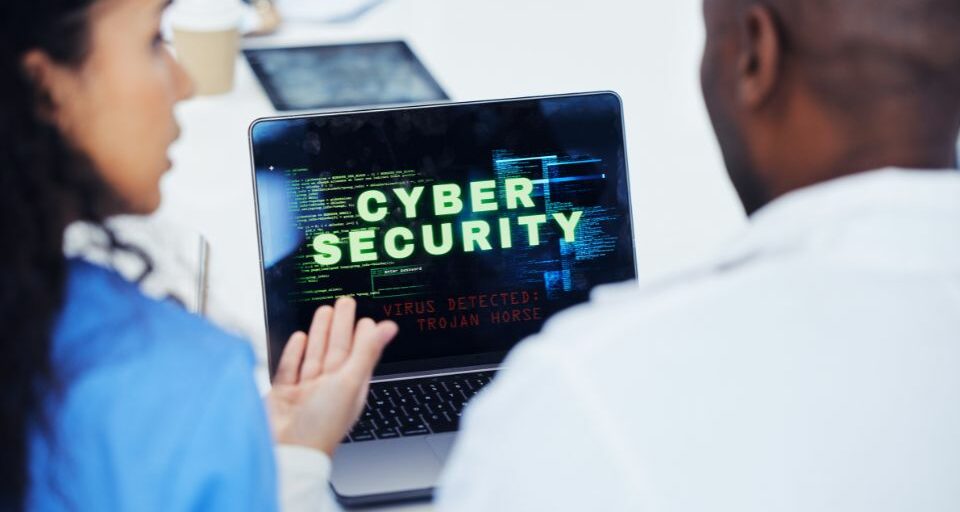
Virtual healthcare (also known as telehealthcare) is a relatively new concept, yet it is increasingly influencing healthcare delivery and patient access to services. This evolving industry has already begun to affect areas such as patient-centred diagnostics and remote consultations. However, certain risks have also come to light. What are the benefits of virtual healthcare, and what role does digital security play?
Telehealthcare Explained: A Remote Sense of Convenience
The main principle behind telehealthcare involves the ability to facilitate doctor-patient interactions without either party being physically present. In other words, discussions can take place across digital platforms using video calling software, secure messaging systems, or other approved communication tools. Practitioners may monitor some medical conditions, prescribe treatments where appropriate, and in certain cases conduct remote assessments. In the same way, patients may access their medical records, research certain conditions, and seek support through digital healthcare services.
Although these are all notable advantages, there are still issues that have been raised by professionals and cybersecurity specialists. Examples may include patient confidentiality concerns, data theft, fraud, ransomware, and other unauthorised cyber activity. To better understand how users protect their devices, many people search online for solutions such as best free antivirus software.
Streamlined Communications with a Caveat
Perhaps the main benefit of remote healthcare lies in its convenience. While being able to speak with a healthcare professional who may be located hours away is attractive, it is also important to consider how personal information is handled online. Examples of sensitive data may include:
- Physical addresses
- Billing details
- Emergency contact information
- Medical conditions and history
- Banking and payment information
If this data falls into the wrong hands, significant harm could occur. Healthcare organisations around the world have increasingly become targets for cybercrime and ransomware attacks in recent years.
One issue is that some digital communication systems may not always be configured with the latest security protections. Similar concerns can apply to cloud storage services, outdated email systems, and websites lacking updated SSL (Secure Sockets Layer) protection.
Furthermore, some individuals using telehealth services may not be fully aware of cybersecurity risks. Because these platforms are often designed to be intuitive and convenient, users may share sensitive information without first checking whether the service uses appropriate security measures. If information is stolen, corrupted, or manipulated, recovery can be difficult.
This is why adopting a proactive approach to digital security is important for both patients and healthcare providers alike.
Basic Privacy Suggestions
There may be occasions when a consultation could be overheard by individuals who should not have access to the conversation. For this reason, it is sensible to choose a quiet and private location for virtual appointments. Some experts also recommend switching off unrelated smart devices, such as voice-activated speakers, during sensitive discussions, as this may help reduce the likelihood of accidental recordings.
Avoid Public Wireless Hotspots
Many people rely on public internet connections while travelling or working remotely. However, using public Wi-Fi when discussing confidential information may present increased cybersecurity risks if the connection is not properly secured. Whenever possible, it is advisable to use a trusted home or private network protected with a strong password.
Multi-Factor Authentication
Multi-factor authentication has become increasingly common across digital platforms. As the term suggests, users must complete additional verification steps before gaining access to an account or service. This may include entering a one-time code sent by text message or generated through an authentication app. Where available, enabling multi-factor authentication can help improve account security.
Employ Robust Antivirus Software Services
Using reputable and regularly updated security software may help users identify suspicious activity, phishing attempts, and malicious software. Solutions such as Bitdefender Internet Security are among the many commercially available products designed to support online security and device protection. However, no software can guarantee complete protection against all cyber threats, so maintaining safe online habits remains important.
End-to-End Encryption
Healthcare providers may also adopt advanced security practices such as end-to-end encryption. These systems are designed to encode information exchanged between authorised parties, making unauthorised access significantly more difficult. Encryption technologies are widely used across sectors that regularly process sensitive information, including banking, government, and healthcare.
Healthcare providers in the UK are also expected to comply with data protection obligations under the UK GDPR and the Data Protection Act 2018 when handling patient information.
Modern Solutions for Challenging Times
As cyber threats continue to evolve, both consumers and healthcare providers are placing greater emphasis on protecting sensitive digital information. While telehealthcare offers a range of practical benefits, it is equally important to remain aware of potential cybersecurity risks and to take reasonable precautions when using online healthcare services.
This article is intended for general informational purposes only and does not constitute medical, legal, or cybersecurity advice.