

A recent independent UK population study shows that one in seven UK adults have used an AI chatbot for initial medical advice instead of contacting a GP or other NHS service (King’s Health Partners, Policy Institute at King’s College London and Responsible AI UK, May 2026). The same study also revealed that one in five people who used AI for health advice say it didn’t encourage them to seek a professional opinion.
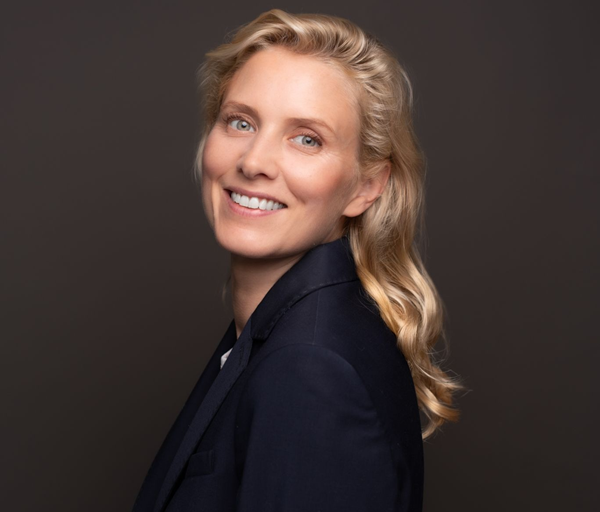
(Dr Stephanie Eltz)
Dr Stephanie Eltz, a former NHS surgeon and CEO of Doctify, notes that while AI provides instant answers, verified information sources and infrastructure are critical to ensure those answers protect, rather than misinform, anxious searchers online:
“There is much discussion around AI and whether it has a positive or negative impact for people’s health, which is great for educational purposes, but the real challenge is that AI is already here and is already being used at scale. So there needs to be a shift in the conversation. The emphasis should now be on providing the infrastructure and information needed for AI to generate responses without compromising safety, not a futile debate on whether or not people should use it.”
This shift in search behaviour has been seen on a global scale, highlighted by OpenAI (creators of ChatGPT) in their latest report, showing that health queries now comprise five percent of total global chatbot search volume, with one in four of ChatGPT’s 800 million regular users submitting a health prompt every single week.
Doctify’s internal platform data reflects this same trend at scale: an unprecedented 680% year-on-year growth in organic traffic navigating directly from AI searches to the platform.
This mirrors a broader pattern in how AI models operate, favouring verified, structured data over unverified web content when generating health-related answers, making platforms built on authenticated information increasingly important to how patients are guided online. The data provides proprietary evidence that self-guided health research has evolved from ‘asking Dr Google’, to using conversational AI chatbots for deeper healthcare exploration.
Dr Stephanie Eltz says: “Generative AI models do not possess clinical judgment. Protecting patients online means fueling AI with verified real-world expertise and experiences, helping them to provide accurate answers not only to inform patients, but also to guide and encourage them to see a doctor.”