
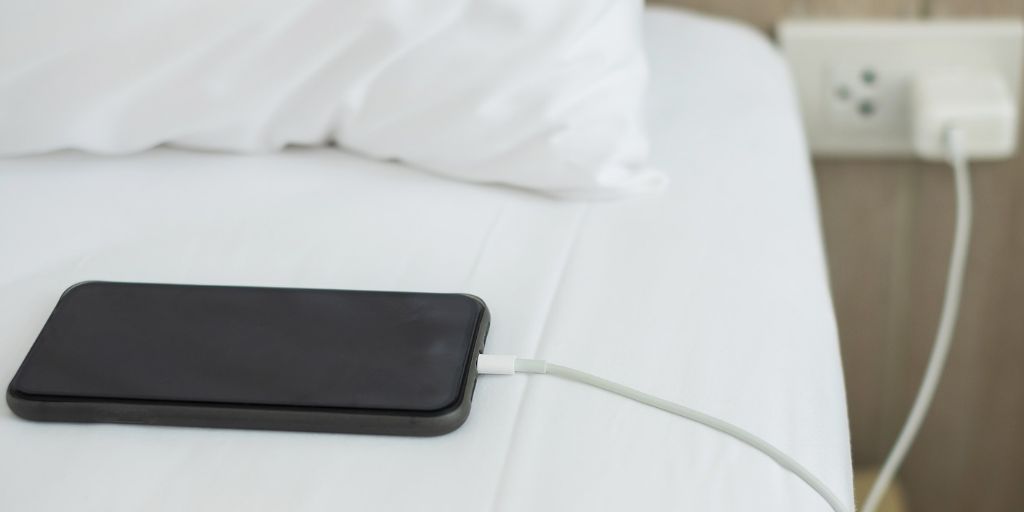
Using technology around bedtime has been associated with poorer sleep outcomes. Current research suggests that regular device use in the bedroom can be associated with poor sleep quality and daytime sleepiness. However, not all technology affects sleep in the same way.
Sleep Apnea Testing Kits
Traditionally, a sleep apnea test could involve an overnight stay in a sleep laboratory. Today, some people can undergo testing at home using appropriate sleep-study equipment.
Depending on the device, home testing may measure indicators such as oxygen saturation, heart rate, snoring and body position. Home testing is not suitable for everyone, and consumer wearables should not be considered a substitute for clinical diagnosis.
Wearable Sleep Trackers
Wearable sleep trackers, including smartwatches, can provide information about sleep patterns. Depending on the device, they may estimate measurements such as heart rate, breathing, movement and sleep duration.
This information can help users identify patterns and consider changes to their sleep habits, such as reducing smartphone use before bed, maintaining a consistent sleep schedule or trying to get more hours of rest.
Consumer sleep trackers vary in accuracy and should not be used to diagnose sleep disorders.
Smart Lighting
Lighting is closely connected to our natural circadian rhythms and can influence when we feel awake or sleepy. Smart lighting can help adjust the bedroom environment around a sleep schedule, with some systems gradually dimming towards bedtime and brightening around waking time.
Meditation Programs
Meditation programs and breathing exercises available through mobile apps may help some people relax before bed. Research suggests that controlled breathing and relaxation techniques may improve aspects of self-reported sleep for some people, potentially through effects on stress and the autonomic nervous system. Results, however, vary between individuals.
Smart Mattresses
Smart mattresses and adjustable sleep systems can offer features such as temperature control, adjustable firmness, prewarming and different settings for each side of the bed. Some systems can also elevate the head when snoring is detected.
While research is in its infancy, these technologies may offer useful ways to personalize the sleeping environment. More evidence is needed to establish whether they meaningfully improve sleep.
Technology cannot guarantee better sleep, but it can provide useful tools for monitoring sleep and improving the sleeping environment. Certain clinically validated technologies can also help healthcare professionals assess specific sleep disorders.
Consumer sleep technology should not replace professional medical assessment. Anyone experiencing persistent sleep problems or symptoms of sleep apnea should seek advice from an appropriately qualified healthcare professional.