
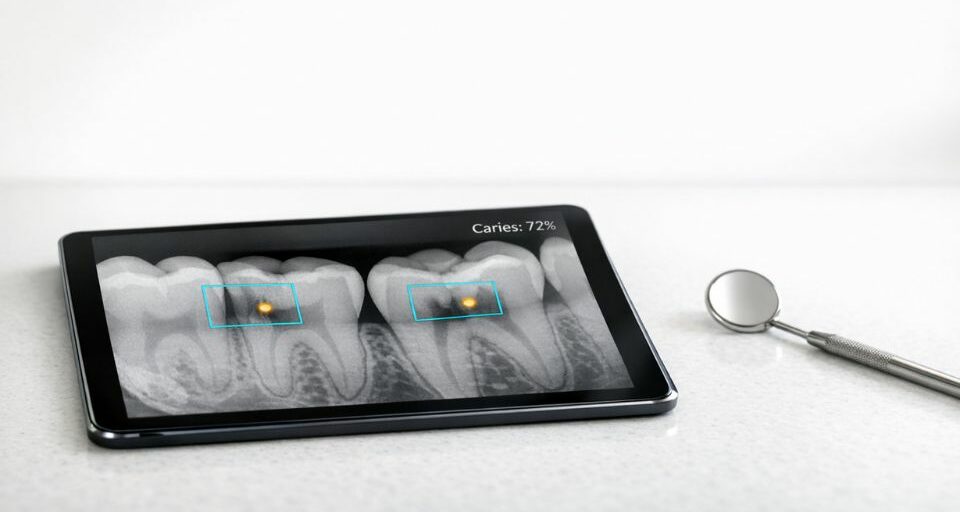
Artificial intelligence is rapidly transforming the landscape of routine dental care. With AI-driven diagnostics supporting everyday checkups, dental professionals can achieve more precise, timely insights. These technological advances promise to refine workflows and enhance patient outcomes without removing the essential role of clinical judgement.
The integration of AI-driven diagnostics into everyday dentistry is changing how practitioners identify and manage oral health concerns. Dentist in Norwich increasingly encounter advanced algorithms that analyse dental images and patient records to help spot potential issues that might otherwise be missed. As digital workflows become more common in dental practices, adopting these tools can lead to greater consistency and support preventative care. This development makes AI a relevant topic for dental professionals and patients who seek a clearer understanding of modern dental checkups.
Understanding the role of AI diagnostics in dentistry
AI-driven diagnostics refer to the use of machine learning models and neural networks that assist dental professionals during routine appointments. These systems are generally designed to support detection and decision-making by interpreting digital data, such as x-rays or intraoral photographs, and highlighting patterns that may not be readily seen during manual review.
In a typical dental practice, these solutions are part of a broader digital workflow. AI tools can analyse newly captured images, compare current results to previous visits, and integrate findings into patient records. This integration may help improve record keeping and assist clinicians as they assess risk and plan care.
Common everyday use cases for diagnostic AI
One major application is the detection of early caries, or cavities, from bitewing and intraoral images. AI-driven diagnostics can highlight subtle variations in tissue density or surface appearance, assisting clinicians in identifying decay while it is still reversible or minimally invasive to treat.
Periodontal assessments can also benefit, as algorithms track changes in gum tissue and bone support over time. Many systems present trend visualisations and help recognise patterns that allow for early intervention before periodontal disease progresses. In all cases, AI can flag anomalies for further examination, but the final interpretation remains with the dental professional.
How AI technology integrates with dental practice
Modern AI-driven diagnostics depend on high-quality data inputs, most commonly digital x-rays, intraoral scans, or photographs, generated during routine dental checkups. These sources provide the information algorithms require to analyse anatomical structures and identify potential areas of concern. Past dental history and records may also be incorporated to assess changes across multiple checkups.
Once results are generated, the output may be shown as highlighted regions of interest on digital images, probability scores for specific conditions, and structured prompts for reporting findings. During review, dentists may observe how these insights fit with practice management systems and electronic health records, which can support documentation and reduce administrative work.
Benefits, limitations, and the clinician’s essential role
AI-driven diagnostics offer the potential for earlier identification of dental issues and more consistent evaluations across patient visits. By supporting standardisation in oral health risk assessments, these tools encourage preventative planning and may help reduce the progression of undetected conditions.
However, technology has limitations. Image quality, data consistency, and potential algorithm bias can all affect the reliability of results. False positives and false negatives can occur, which is why the contextual knowledge and critical judgement of clinicians remains indispensable to the dental diagnostic process.
Communicating AI results and fostering patient trust
AI visual overlays can help enable clearer communication and support more collaborative decision-making between patients and dentists. These tools can help clarify findings, allowing patients to see what prompted clinical recommendations in the context of their dental checkup.
It is important to set realistic expectations about what AI-driven diagnostics can determine. Explaining the difference between algorithmic suggestions and final diagnoses helps maintain transparency and supports informed consent.
Trust, data stewardship, and regulatory considerations
With increased use of AI-driven diagnostics in dental practices, safeguarding patients’ digital records and diagnostic images becomes even more important. Practices should address privacy requirements, obtain informed consent, and maintain secure storage of data to prevent unauthorised access.
Transparency regarding how AI outputs are generated and evaluated is also significant. As regulatory guidance develops, robust data governance and responsible use of AI are necessary to maintain patient trust within dental care.
Future directions for dental AI applications
The future of AI-driven diagnostics in dentistry will likely include advances in regulatory standards and an ongoing focus on robust real-world validation. Stakeholders in the dental field continue to emphasise thorough testing and transparent reporting to support safe and reliable implementations.
Emerging trends may involve multi-modal AI systems that combine imaging data with a patient’s long-term dental history for improved risk assessment in everyday dental practice. As these technologies evolve, ongoing collaboration among clinicians, technologists, and regulators will help guide the next phase of dental care innovation.